What We Do
Our Activities
Community Elders
An elder sharing songs, language or ceremony with a community archivist.
Image to be supplied by Utu Heritage
Cultural Heritage
Safeguarding Living Knowledge
We register elders as living knowledge holders — the custodians of songs, languages, medicine and ceremony that exist nowhere but in memory. Each registration begins with trust and consent, recognising the elder as the author of their own archive.
Through community memory mapping, we trace how knowledge moves between people and places, identifying what is most at risk. Intergenerational transfer programmes then pair elders with youth, ensuring living knowledge is passed on rather than simply recorded.
—
Knowledge Holders Registered
—
Communities Engaged
—
Transfer Sessions Held
Oral History Documentation
Field team recording oral histories — audio/video capture on location.
Image to be supplied by Utu Heritage
Heritage Documentation
Building Kenya's Cultural Archive
We capture oral histories, songs, agricultural practices and ceremonies through audio and video recording in the field. Every recording is made with consent and care, preserving not just words but the voices and contexts that give them meaning.
Each entry is digitally archived with metadata tagging — date, place, contributor, language and category — making the collection searchable and useful for researchers, educators and communities for generations to come.
—
Recordings Archived
—
Languages Documented
—
Hours of Footage
Indigenous Forests
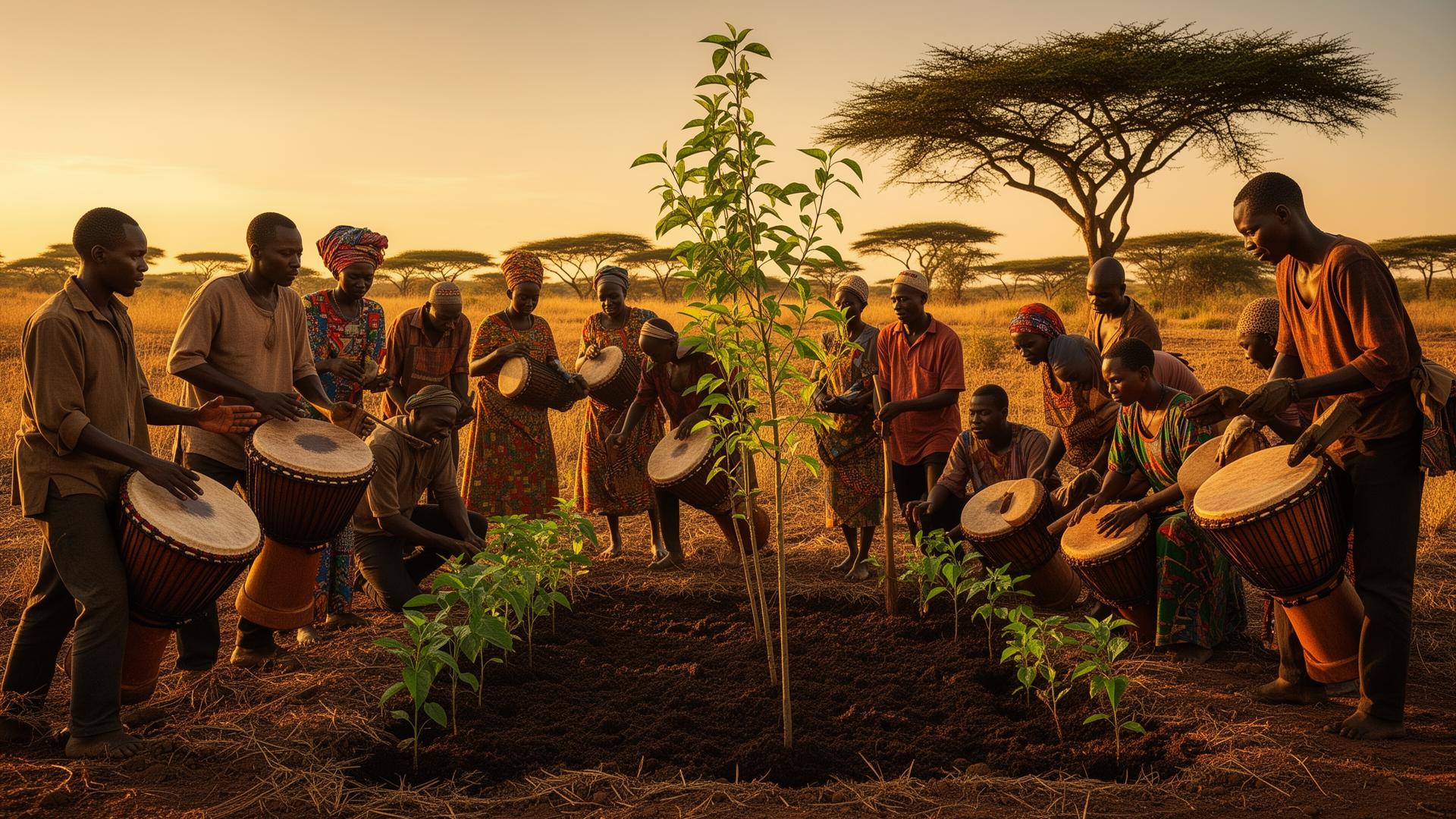
Community members planting indigenous trees in a forest or restored land.
Image to be supplied by Utu Heritage
Climate Action
Roots for the Future
We plant indigenous species in community forests, sacred groves and degraded lands — restoring ecosystems that hold both ecological and cultural significance. Every tree is GPS-verified and photo-evidenced at the point of planting.
Survival is monitored through repeat field checks, and our work is anchored in partnerships with Community Forest Associations, ensuring that restoration is led and sustained by the communities themselves.
—
Trees Planted
—
Planting Sites Active
—
Survival Rate
Heritage Tourism
Visitors with a community guide at an authentic cultural heritage site.
Image to be supplied by Utu Heritage
Heritage Tourism
Tourism That Gives Back
We curate tourism circuits that connect visitors to authentic cultural experiences — guided by community members who know their heritage intimately. Tourism becomes a bridge between cultures rather than a transaction.
Through guide training and certification, and revenue models designed to keep value in the community, heritage tourism becomes a sustainable source of income that strengthens the very culture it celebrates.
—
Circuits Active
—
Guides Certified
—
Visitors Logged
Youth Empowerment
Young people participating in a heritage, planting or documentation programme.
Image to be supplied by Utu Heritage
Youth Empowerment
The Next Custodians of Culture
We engage youth as cultural archivists, heritage guides and tree planters — giving them meaningful roles in preserving and restoring what they will one day inherit. Participation is structured, skilled and recognised.
By building the next generation of community leaders through programme participation, we ensure that the work of preservation continues long after today's elders have passed on their knowledge.
—
Youth Participants
—
Programmes Active
—
Leaders Trained
Traditional Crafts
Artisans and youth producing crafts, briquettes or upcycled goods.
Image to be supplied by Utu Heritage
Circular Economy
Enterprise Rooted in Sustainability
We build economic futures through briquette production, upcycling and craft enterprises — turning waste and local materials into income and opportunity. Training cohorts move through certification pathways that build real, transferable skills.
Business activity and revenue are tracked throughout, ensuring enterprises are measurable, sustainable and genuinely beneficial to the communities and youth who run them.
—
Training Cohorts
—
Certified Graduates
—
Revenue Generated (KES)